Best Sunscreen for Your Face: How to Choose by Skin Type and Daily Wear
Sunscreen is the single most effective anti-aging and skin-protecting product in existence. Dermatologists agree that up to 80% of visible wrinkles, dark sun spots, and loss of skin elasticity are caused by everyday sun exposure.
Yet most people skip sunscreen because it feels greasy, leaves a ghost-like white cast, or burns their eyes. Finding the right formula is not about buying the highest number on the shelf; it is about choosing a comfortable texture that fits your skin type and wears invisibly under makeup. In this complete guide, you will learn how to compare mineral and chemical filters, how to apply the exact two-finger amount, and how to reapply easily without ruining your foundation.

Find Your Perfect SPF Finish
Select your skin type and daily habits below to get our top dermatologist-approved sunscreen recommendations via WhatsApp.
The Best Sunscreen Is the One You Actually Wear Every Day
An SPF 100 formula locked in your bathroom cabinet does zero good for your skin. If your sunscreen feels sticky, stings your eyes, or leaves an ashy film, you will subconsciously use less than half the amount required to protect your face. For true clinical protection, choose a broad-spectrum SPF 30 to 50 formula that feels so lightweight you look forward to putting it on every morning.
What SPF and Broad Spectrum Really Mean
Sunlight reaches the earth in two main forms of ultraviolet radiation that damage human skin: UVA rays and UVB rays. Understanding the difference between these two wavelengths is crucial when choosing a sunscreen bottle.
UVB Rays: The Burn Rays
UVB rays have shorter wavelengths that hit the surface layers of the epidermis. They are the primary cause of sunburn, acute redness, and direct DNA damage that leads to skin cancers. The SPF (Sun Protection Factor) number on your bottle measures protection strictly against UVB rays.
UVA Rays: The Aging Rays
UVA rays have longer wavelengths that penetrate deep into the dermis. They pass through window glass, clouds, and car windshields all year round. UVA breaks down elastic collagen fibers, triggers deep wrinkles, and causes dark sun spots (hyperpigmentation).
Visible High-Energy Light (HEV)
Blue light from the sun and computer screens can worsen stubborn pigmentation like melasma, particularly in deeper skin tones. Tinted sunscreens containing iron oxides block visible light far better than clear sunscreens.
Mineral vs. Chemical Sunscreens: Which One Is Best for You?
One of the most common debates in beauty is whether to choose a physical mineral sunscreen or a chemical sunscreen. The truth is that both filter systems are safe and effective, but they behave differently on your skin.
| Filter Category | Active Ingredients | Best Skin Types | Pros & Trade-Offs |
|---|---|---|---|
| Mineral (Physical) | Zinc Oxide, Titanium Dioxide | Sensitive, rosacea, post-procedure, and baby skin | Naturally calming, zero eye sting, works immediately upon application. Can leave a white cast on darker skin tones and feels slightly heavier. |
| Chemical (Organic) | Avobenzone, Octisalate, Homosalate, Octocrylene | Normal, combination, oily, and athletic users | Blends completely invisible with zero white cast, very lightweight, wears smoothly under makeup. Can occasionally sting sensitive eyes. |
| Modern International (Korean / Japanese) | Tinosorb S, Uvinul A Plus, Mexoryl SX | Everyday daily wear, all skin types | Uses advanced photostable filters that feel like watery hydrating lotions with high UVA protection (PA++++). Must be verified for authentic sourcing. |
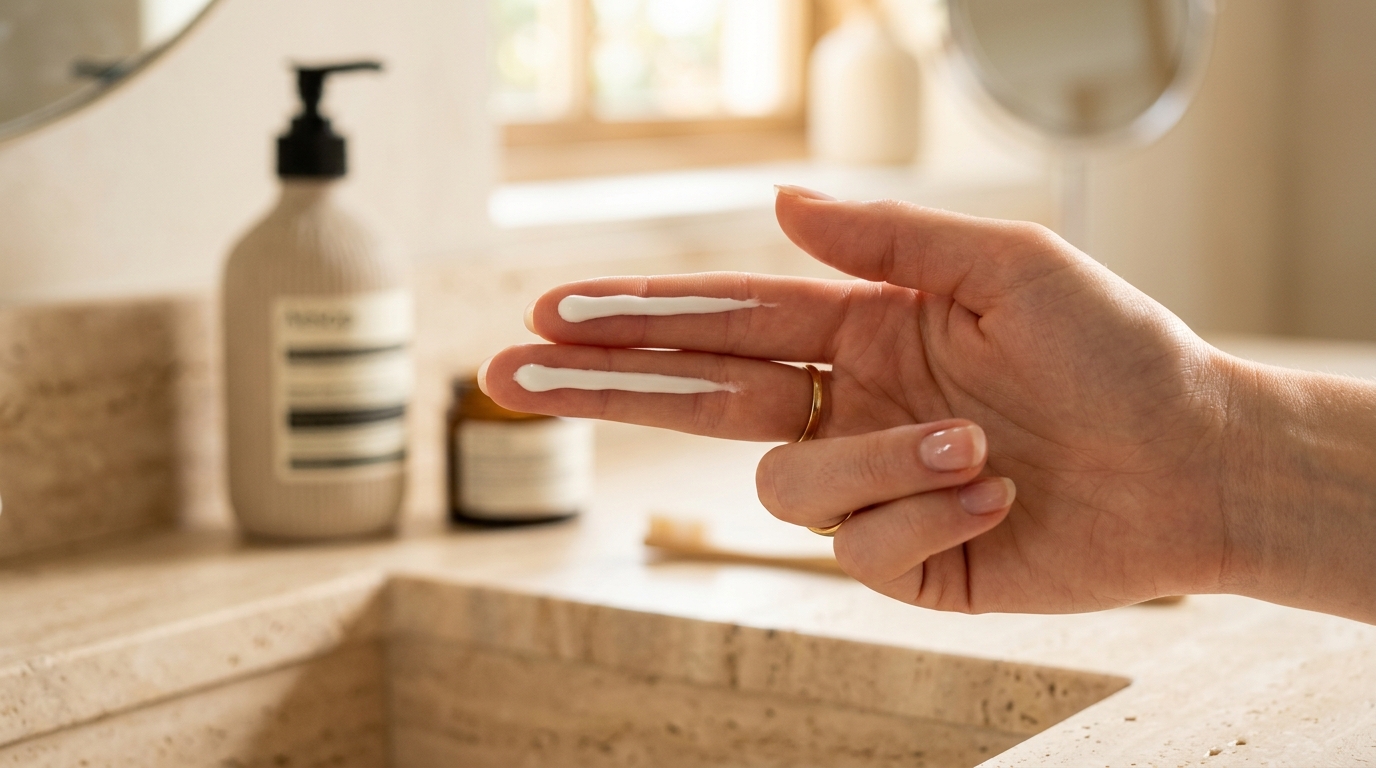 Figure 1: The two-finger rule. Squeeze two full lines of sunscreen along the length of your index and middle fingers to achieve the full SPF 30+ protection stated on the label.
How Much Sunscreen Do You Really Need: The Two-Finger Rule
To achieve the laboratory SPF rating printed on your bottle, you must apply two milligrams of sunscreen per square centimeter of skin. In the real world, this equals approximately 1/4 teaspoon for your face alone, and another 1/4 teaspoon for your neck and ears.
Because measuring teaspoons every morning is messy, dermatologists developed the convenient Two-Finger Method:
Squeeze Two Full Strips of Sunscreen
Draw a line of sunscreen from the base to the tip of your index finger, and a second line along your middle finger. This gives you the exact volume needed to protect your entire face and ears.
Dot Evenly Across Five Facial Zones
Instead of rubbing a giant blob between your palms, place dots across your forehead, both cheeks, nose, and chin. Do not forget your earlobes and hairline.
Smooth In Outward Strokes and Let It Settle
Gently smooth the sunscreen into your skin using flat fingers. Wait two to three minutes for the formula to form a uniform protective shield before applying foundation or heading outside.
Sunscreen Rules: Do's and Don'ts for Maximum Protection
Follow these daily habits to ensure your sunscreen provides maximum defense against wrinkles, dark marks, and skin cancer:
What You MUST Do
- Wear SPF 30 or higher every morning: Apply broad-spectrum protection 365 days a year, even when staying indoors near windows.
- Cover all exposed areas: Remember your neck, ears, the backs of your hands, and your eyelids with eye-safe mineral SPF.
- Let your moisturizer dry first: Wait two minutes after moisturizing so your sunscreen can form an even protective film without pilling.
- Reapply every two hours during direct sun: If swimming, sweating, or spending time outdoors, reapply every two hours as directed.
- Use a double cleanse at night: Use micellar water or a cleansing balm first to thoroughly dissolve water-resistant UV filters.
- Pair with Vitamin C: Layering an antioxidant serum underneath your SPF neutralizes free radicals that sneak past sun filters.
What You MUST AVOID
- Do not rely solely on makeup with SPF: You would need to apply seven times your normal foundation amount to reach the labeled SPF.
- Do not mix sunscreen with foundation in your palm: Diluting sunscreen breaks down the uniform filter suspension, leaving unprotected patches.
- Do not keep your sunscreen in a hot car: High temperatures in glove compartments destabilize UV filters, making them useless.
- Do not assume clouds block UV rays: Up to 80% of ultraviolet radiation penetrates cloud cover, causing hidden sun damage.
- Do not use expired sunscreen: Chemical filters degrade after their expiration date. Discard bottles after twelve months of opening.
- Do not rub aggressively: Vigorously rubbing disrupts the smooth protective film. Gently smooth and pat into the skin.
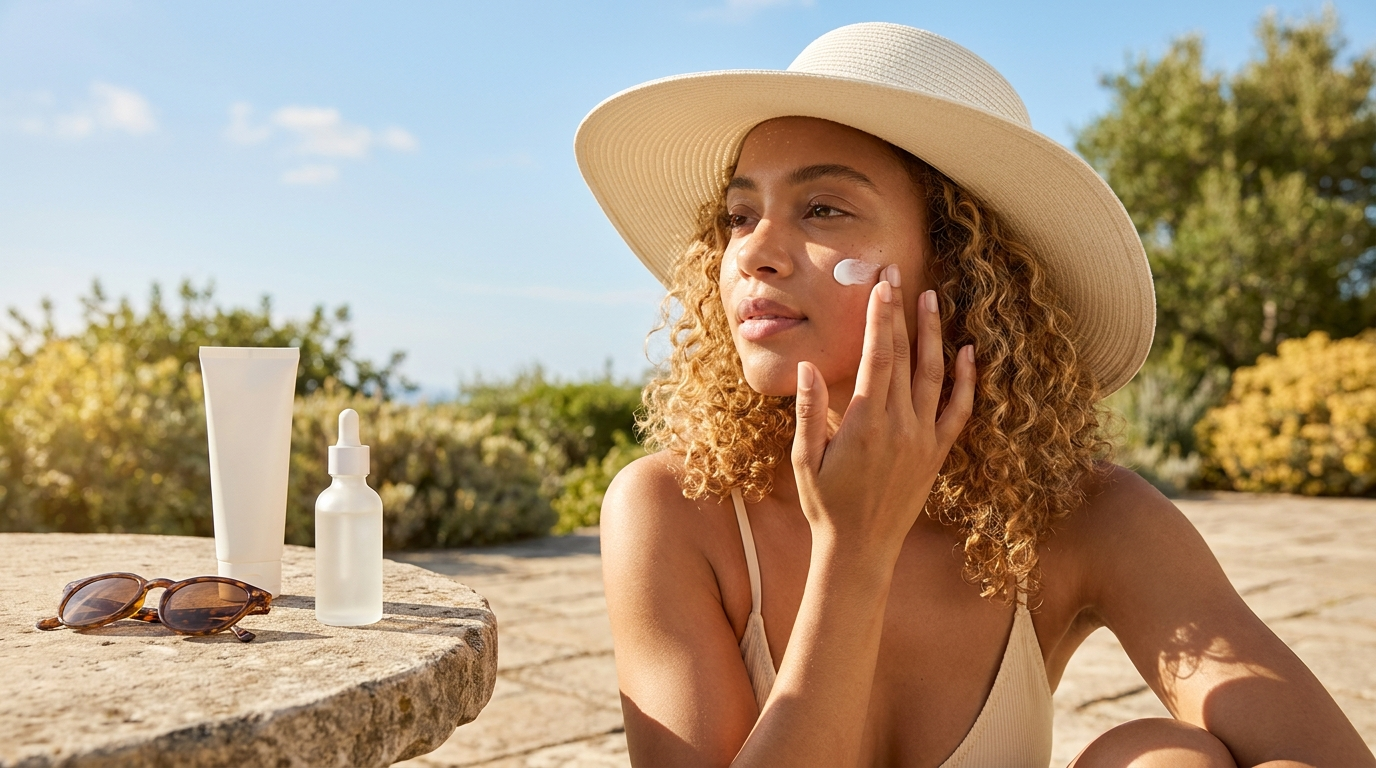
 Figure 2: A modern well-formulated daily sunscreen should absorb cleanly without grease or chalky white residue, leaving skin radiant and perfectly prepped for makeup.
How to Reapply Sunscreen Over Makeup Without Ruining Your Look
Reapplying sunscreen during a busy workday is where most people get stuck. If you have foundation, powder, and blush on, you cannot easily rub a thick cream over your face.
Here are three dermatologist-approved methods to reapply sun protection cleanly throughout the day:
The Beauty Sponge Tapping Method
Take a dry or slightly damp beauty blender sponge. Squirt a nickel-sized amount of lightweight fluid sunscreen onto the flat side of the sponge. Gently tap the sponge across your cheeks, forehead, and chin. Tapping presses the sunscreen into the skin without smearing or sliding your foundation underneath.
SPF Setting Sprays and Face Mists
Close your eyes and mouth tightly. Hold the SPF spray eight to ten inches away and mist generously in an 'X' and 'T' pattern across your face. Mists are very convenient for quick midday touch-ups, although you should mist thoroughly to ensure even coverage.
Mineral Powder Sunscreen Brushes
Mineral powder sunscreens contain micronized zinc oxide in an easy-to-carry brush tube. Dusting the powder over your face absorbs midday oily shine while topping up your physical sun barrier. It is the perfect solution for keeping in your handbag or office desk.
"I tell every single patient who walks into my clinic: you can spend thousands of dollars on luxury peptides, serums, and retinoids, but if you do not wear broad-spectrum sunscreen every morning, you are wasting your money. Sun protection is the foundation of dermatology. Wearing sunscreen daily protects the investment you make in every other skincare product you own."
Your 30-Day Sunscreen Habit Plan: The Consistency Protocol
Building the daily sunscreen habit is the most valuable gift you can give your future skin. Follow this three-step plan to make SPF an automatic morning routine:
Days 1 to 10: Find Your True Match and Test Comfort
Choose a formula matched to your skin type (matte fluid for oily, hydrating cream for dry). Apply two full finger lengths every morning directly after moisturizer. Test for any eye stinging, pilling under makeup, or excess shine.
Goal: Ensure your sunscreen feels completely invisible and comfortable on your face.Days 11 to 20: Perfect Your Evening Removal
Add a gentle first-cleanse step every night (like micellar water or a cleansing balm) before your regular foaming wash. Thoroughly melting water-resistant UV filters prevents clogged pores and keeps your skin fresh.
Goal: Guarantee zero breakouts or pore congestion from daily sunscreen use.Days 21 to 30: Master Midday Touch-Ups
Keep an SPF spray, mineral powder brush, or compact beauty sponge in your purse or car. Practice touching up before leaving the office for lunch or your afternoon commute.
Goal: Lock in a lifelong, effortless habit of all-day ultraviolet defense.Verified Reader Experiences With Daily Sunscreen
Here is what our community members noticed after finding their ideal sunscreen finish:
"I spent ten years avoiding sunscreen because every bottle I bought turned my face into an oil slick and broke me out with whiteheads. Audrey recommended a lightweight fluid with silica, and it changed my routine completely. Matte all day with zero pimples."
"The two-finger rule showed me that I was using only a tiny fraction of the sunscreen I actually needed. Once I started applying the proper amount, my persistent melasma patches on my forehead finally stopped darkening every summer."
"The beauty sponge tapping trick for reapplying over makeup is genius. I used to hate ruining my blush during midday touch-ups. Now my foundation stays perfect and my skin stays protected all afternoon."
"I used the WhatsApp consultation button to ask about an eye-safe sunscreen because chemical formulas always made my eyes water. The team recommended a non-nano zinc formula that does not sting at all. Lifesaver guide!"
Frequently Asked Questions About Daily Face Sunscreen
Get clear, science-backed answers to your most pressing sun protection questions:
What SPF number is best for everyday facial wear?
Dermatologists recommend a broad-spectrum sunscreen with SPF 30 or higher for daily facial use. SPF 30 blocks approximately 97% of UVB rays, while SPF 50 blocks 98%. Applying the proper two-finger amount consistently is far more important than chasing an SPF 100 label.
Do I need to wear sunscreen if I stay indoors all day?
Yes, if you sit near windows or have natural daylight in your home or office. Standard window glass blocks UVB rays, but allows up to 75% of aging UVA rays to pass through. If you work near a window, daily morning sunscreen is essential.
Does sunscreen prevent my body from absorbing Vitamin D?
Clinical studies show that everyday sunscreen use does not lead to Vitamin D deficiency in healthy adults. You only need five to ten minutes of incidental sun on your arms or legs a few times a week to synthesize Vitamin D, or you can take a dietary supplement.
Can I use body sunscreen on my face?
While body sunscreens use the same UV filters, they are often formulated with heavier emollients, fragrances, and thicker waxes that can clog facial pores and cause acne breakouts. Facial sunscreens are specifically formulated to be non-comedogenic and cosmetically elegant.
Does makeup with SPF provide enough protection?
No. To get the SPF 30 rating printed on a BB cream or foundation, you would need to apply a full 1/4 teaspoon over your face, which looks mask-like and cakey. Always apply a dedicated sunscreen first, let it set, and treat makeup SPF as an optional bonus layer.
How do I prevent my sunscreen from burning my eyes?
Eye stinging is usually caused by older chemical filters (like avobenzone) migrating with facial oils or sweat. For your eye area, choose a 100% mineral sunscreen containing zinc oxide, or use a solid mineral SPF stick around your eyelids which does not run.
Why does my sunscreen pill into white balls on my neck?
Pilling occurs when silicone-heavy sunscreens are applied over wet water-based moisturizers, or when you rub too vigorously. Wait two minutes after moisturizing before applying sunscreen, and smooth it onto the skin in gentle one-directional strokes.
Are mineral sunscreens automatically safer than chemical sunscreens?
Both mineral and chemical filters approved by health authorities are safe and effective. Mineral sunscreens are often better tolerated by sensitive or post-procedure skin, while chemical filters offer transparent finishes that leave zero white cast on deeper skin tones.
What is the difference between water-resistant and waterproof sunscreen?
No sunscreen is waterproof; health regulators prohibit brands from using that word. Sunscreens are rated as water-resistant for either 40 minutes or 80 minutes of swimming or heavy sweating. You must always reapply after towel drying.
How do I remove water-resistant sunscreen at night?
Use a double cleansing technique. Start with an oil-based cleansing balm or micellar water on dry skin to dissolve the water-resistant film, then follow with your standard gentle water-based face wash to rinse everything clean.
Ready to Find Your Invisible Daily Sun Shield?
Do not let another day pass without protecting your skin from invisible UV damage. Find an elegant formula you love and make SPF your ultimate anti-aging superpower.