How to Repair Your Skin Barrier: The 7-Day Gentle Emergency Protocol
If your face suddenly burns when you put on plain moisturizer, stings under tap water, or feels tight and shiny like plastic wrap, your skin barrier is crying for help.
When you use too many exfoliating acids, scrub with gritty cleansers, or start strong retinol too fast, you strip away the natural lipids that shield your face. The good news is that your skin has an incredible ability to heal itself when you stop irritating it. In this complete clinical guide, you will learn the exact 7-day emergency reset routine, the essential barrier-repairing ingredients to look for, and how to tell normal healing from an allergic reaction.

Get Your Emergency Reset Plan
Select your symptoms below to get matched with a calm barrier-recovery protocol via WhatsApp.
Repair Requires Subtraction, Not More Products
When your skin barrier is damaged, the biggest trap is buying three new "quick-soothing" serums and layering them all at once. Your skin is already overwhelmed and inflamed. True barrier repair requires immediately removing all chemical triggers, stripping your routine down to gentle lukewarm water and a pure ceramide cream, and giving your cells time to knit back together.
What Your Skin Barrier Actually Is: The Brick-and-Mortar Model
Dermatologists explain the outermost layer of your skin (the stratum corneum) using a simple construction analogy: the brick-and-mortar model.
In this model, your dead surface skin cells (corneocytes) are the bricks. They are tough, flat protein shields that protect the delicate living tissue underneath. The mortar is a matrix of natural fats (lipids) made of 50% ceramides, 25% cholesterol, and 15% free fatty acids.
When the mortar is thick and complete, it keeps vital moisture locked inside your body and blocks environmental pollutants, bacteria, and allergens from entering. But when you over-scrub, use harsh alcohol toners, or apply strong acids every evening, you wash away the mortar. Water evaporates rapidly into the air (a process called transepidermal water loss), your nerve endings are exposed, and your face begins to burn.
Corneocyte Bricks
Flat, keratin-rich cells that provide physical resistance. When the lipid glue dissolves, these cells curl up and flake away, creating rough sandpaper texture.
Ceramide Mortar
Ceramides account for roughly half the fat in your skin. They lock cells together. When ceramide levels drop, microscopic cracks form across your face.
Natural Moisturizing Factors (NMF)
A natural cocktail of amino acids, urea, and sodium PCA inside cells that attracts water. Harsh cleansers strip away NMF within sixty seconds.
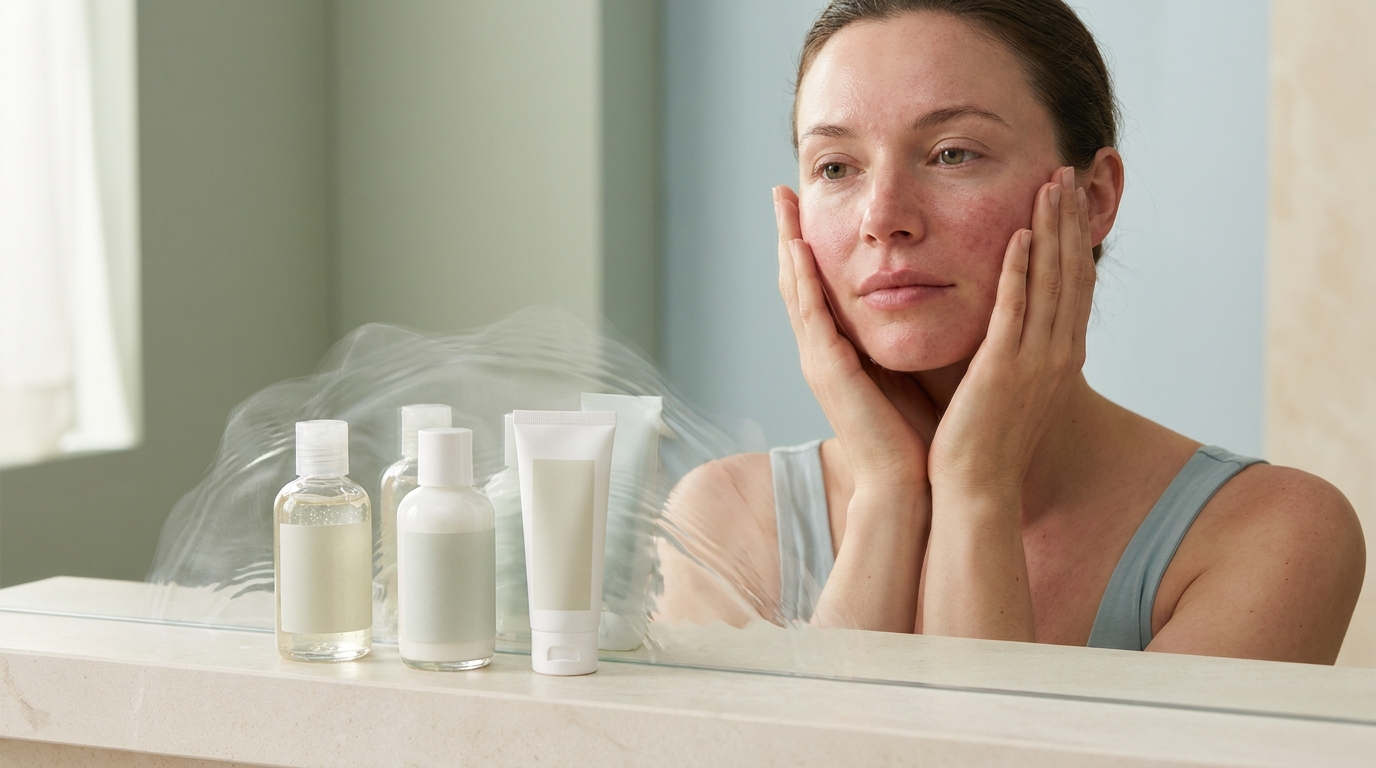
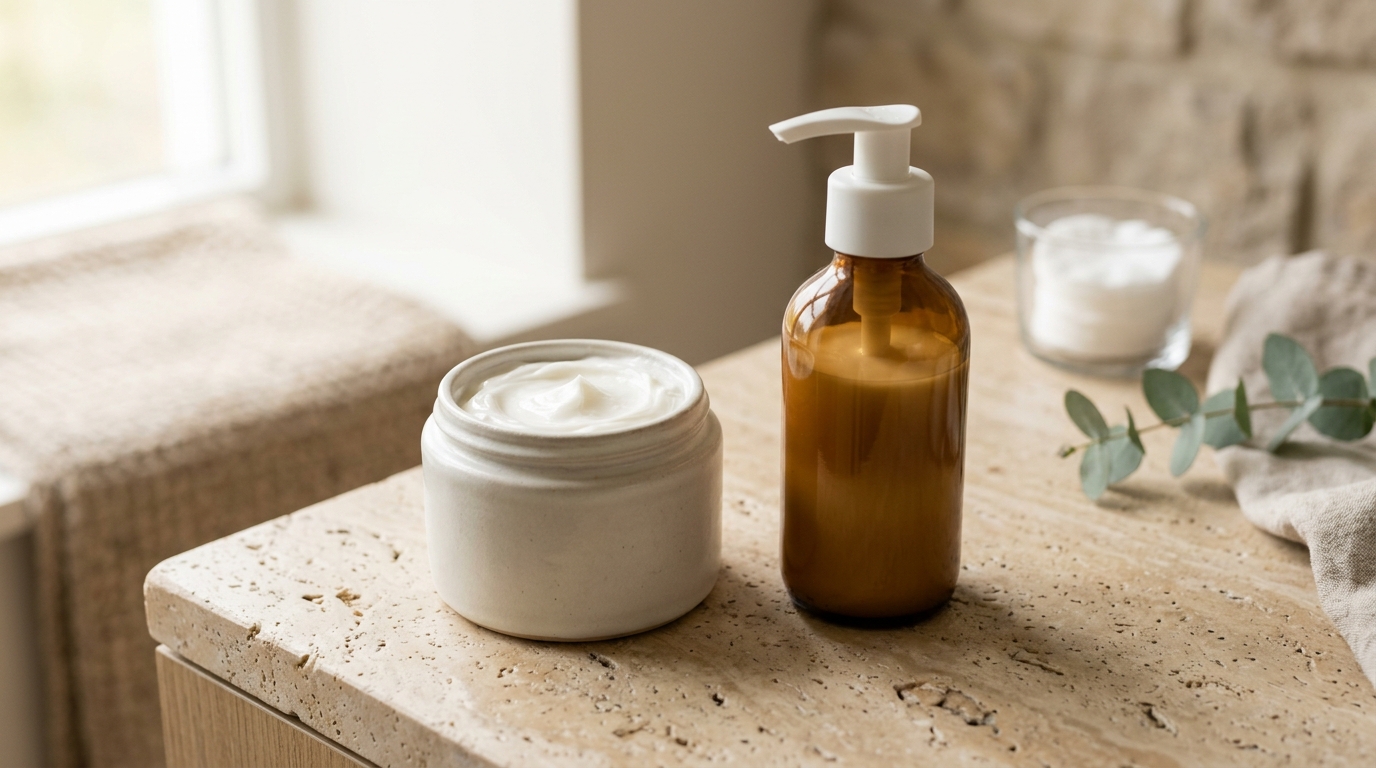 Figure 1: During a barrier reset, your entire routine should shrink to two simple items: a non-stripping hydrating wash and a fragrance-free barrier cream rich in ceramides.
The 7-Day Emergency Barrier Reset Routine
For the next seven days, you are putting your skin into intensive care. Put away all your active serums, Vitamin C, exfoliators, peel pads, and retinol. Follow this ultra-gentle schedule every single day:
| Time of Day | Exact Steps to Follow | Strictly Prohibited Items |
|---|---|---|
| Morning Routine |
1. Cool Water Rinse: Do not use cleanser. Simply splash your face with cool or lukewarm water and gently pat dry with a clean towel. 2. Ceramide Barrier Cream: Apply a generous dime-sized amount while skin is slightly damp. 3. Gentle Mineral Sunscreen (SPF 30+): Use a fragrance-free 100% zinc oxide sunscreen to protect exposed nerve endings from UV heat. |
No Vitamin C serums. No foaming cleansers. No abrasive washcloths. No chemical SPF with high alcohol content. |
| Evening Routine |
1. Gentle Hydrating Wash: Wash with a fragrance-free, lotion-style cleanser that does not lather or foam. 2. Rich Barrier Cream: Smooth a rich layer of ceramide cream over your face. 3. Optional Ointment Buffer: Dab a tiny touch of pure petrolatum or barrier balm over raw spots around your nose, mouth, and eyelids to prevent water evaporation. |
No retinol or retinoids. No salicylic or glycolic acid. No face oils with essential scents. No clay masks or mechanical brushes. |
Barrier Recovery Rules: Do's and Don'ts
Healing a compromised moisture barrier is about creating a calm, protected environment so your cells can regenerate. Follow these critical guidelines:
What You MUST Do
- Pause all active treatments immediately: Stop using retinoids, alpha-hydroxy acids, beta-hydroxy acids, and pure ascorbic acid.
- Wash only with lukewarm or cool water: Hot water dissolves protective intercellular lipids, making stinging worse.
- Choose fragrance-free formulations: Both natural botanical extracts and artificial perfumes irritate inflamed nerve endings.
- Apply moisturizer to damp skin: Applying cream within sixty seconds of washing traps water before it can evaporate.
- Use a clean pillowcase: Change your pillowcase every three days to keep bacteria away from cracked, vulnerable skin.
- Be patient for at least two to four weeks: Epidermal lipid restoration takes between two and four full weeks.
What You MUST AVOID
- Do not scrub away flaking skin: Rubbing with facial scrubs or rough towels pulls away living cells and causes scarring.
- Do not push through the burn: If a product stings or burns your face, rinse it off immediately with cool water.
- Do not slug heavy petrolatum over active acne: Cover raw dry patches with balm, but avoid sealing your entire face if prone to cystic breakouts.
- Do not experiment with DIY kitchen remedies: Never put lemon juice, baking soda, apple cider vinegar, or coconut oil on a broken barrier.
- Do not switch products every two days: Constantly trying new creams introduces fresh irritants and delays healing.
- Do not restart actives as soon as stinging stops: Wait a full additional week after all symptoms vanish before reintroducing any active.
 Figure 2: When you remove irritating chemical triggers and supply the skin with ceramides, redness fades, stinging vanishes, and natural barrier resilience returns.
The Top 5 Ingredients That Actively Rebuild Your Lipid Barrier
When scanning ingredient labels for your barrier recovery cream, look for these clinically validated ingredients that replenish lost epidermal fats:
Ceramides (NP, AP, EOP)
Role: Direct replenishment of surface lipid mortar.
Why it helps: Identical to the natural fats your skin produces. They slip between dry corneocytes, filling cracks and halting water loss.
Colloidal Oatmeal (Beta-Glucan)
Role: Anti-inflammatory and anti-itch relief.
Why it helps: Recognized by dermatologists for soothing intense itching, calming redness, and creating a breathable protective film.
Panthenol (Pro-Vitamin B5)
Role: Deep cellular repair and hydration.
Why it helps: Penetrates deep into the upper layers of skin, stimulating tissue regeneration while drawing moisture into dehydrated cells.
Centella Asiatica (Cica / Madecassoside)
Role: Wound healing and redness reduction.
Why it helps: A legendary botanical medicinal extract that speeds cellular repair and soothes stinging sensations within hours.
"A compromised skin barrier is not a failure of your genetics; it is an occupational hazard of modern skincare enthusiasm. When patients come to me with burning cheeks and tight, reactive skin, my first prescription is almost always complete active retirement. Give your face two full weeks of nothing but water, a simple barrier cream, and zinc sunscreen. Your skin has spent millions of years learning how to heal itself. You just have to get out of its way."
Your 30-Day Barrier Recovery Blueprint: From Raw to Radiant
Healing your barrier is a gradual journey. Follow this three-phase timeline to recover full skin health safely:
Days 1 to 7: The Acute Extinguisher Phase
Zero acids, zero retinol, zero scrubs. Wash with cool water in the morning and a non-foaming cream wash at night. Apply your ceramide moisturizer generously twice a day. Shield from sunlight using a mineral zinc SPF.
Goal: Stop all stinging when applying water or moisturizer.Days 8 to 21: Lipid Consolidation Phase
Continue your gentle trio. Flaking will reduce and redness will fade. Your skin will begin to feel soft and pliable again instead of tight and shiny. Do not rush to reintroduce any active treatments yet.
Goal: Rebuild the full thickness of the intercellular lipid matrix.Days 22 to 30: Gentle Single-Active Reintroduction
Once your face has been 100% calm and sting-free for seven consecutive days, you may reintroduce ONE active product (like a low-strength retinol or gentle lactic acid). Use it only once per week and buffer with moisturizer.
Goal: Resume treatment goals safely without re-triggering barrier damage.Verified Reader Experiences With Barrier Repair
Here is what our readers experienced after using the 7-day emergency reset protocol:
"My face was on fire after using a viral 30% peeling solution. Even basic tap water felt like acid on my cheeks. Following Audrey's advice to strip down to cool water and a ceramide balm saved my skin. Within five days, all the burning stopped completely."
"The explanation of the brick-and-mortar model finally helped me understand what I was doing wrong. I was scrubbing away flakes thinking it was dead skin, when I was actually ripping off living cells. This guide gave me my face back."
"Switching to a non-foaming cream cleanser and pausing my morning wash was the best decision I ever made. My face no longer feels tight after washing and the persistent redness on my cheeks has completely vanished."
"I used the WhatsApp consultation button at the top of the article. The team answered all my questions about which ceramide cream to pick on a tight budget. Caring, honest, and truly science-based help!"
Frequently Asked Questions About Skin Barrier Repair
Clear answers to your most urgent questions about healing irritated, reactive skin:
How long does it take to repair a damaged skin barrier?
Mild barrier irritation from one or two days of over-washing can calm down within three to five days. Moderate to severe barrier damage from months of retinol or acid overuse typically takes between two and four weeks of dedicated gentle care to fully restore the lipid matrix.
Why does water sting my face when my barrier is broken?
When your protective lipid layer dissolves, microscopic cracks open up on your skin surface. Nerve endings that normally sit safely insulated underneath are now directly exposed to air, water, and temperature changes, causing an intense stinging sensation.
Can a damaged skin barrier cause acne breakouts?
Yes. When your barrier is cracked, moisture escapes and surface bacteria (like Cutibacterium acnes) enter pores easily. In response, your oil glands produce thick, sticky sebum to compensate for the dryness, leading to clogged pores and sudden clusters of small pustules.
Should I use hyaluronic acid on a damaged skin barrier?
Be careful. Hyaluronic acid is a humectant that pulls moisture toward itself. If you apply it in a dry environment on a broken barrier without sealing it with a thick cream, it can draw moisture out from the deeper layers of your skin, making dryness worse. Always seal it with a ceramide cream.
What is the difference between barrier damage and an allergic reaction?
Barrier damage causes burning, tightness, rough dry texture, and stinging when applying products. An allergic reaction (contact dermatitis) typically features intense itching, raised hives, puffiness around the eyes or lips, and weeping or blistered patches. If you experience swelling or difficulty breathing, seek medical care immediately.
Can I use facial oils to fix my skin barrier?
Plant oils alone cannot completely rebuild a skin barrier because they lack the balanced 3:1:1 ratio of ceramides, cholesterol, and fatty acids that human skin requires. Single oils like coconut or olive oil can also disrupt your natural lipids. Use a formulated ceramide moisturizer instead.
Is slugging with Vaseline or petrolatum good for barrier repair?
Slugging (applying a thin coat of pure petrolatum over moisturizer at night) is wonderful for dry, non-acne-prone skin because it reduces water loss by 98%. However, if you have oily or acne-prone skin, slugging can trap sebum and dead cells, causing breakouts. Use it only on raw, cracked patches.
How do I wash my face when every cleanser burns?
Skip cleanser completely in the morning and rinse gently with cool or lukewarm water. In the evening, use a non-foaming, lotion-based cream wash that has a physiological pH between 5.0 and 5.5. Gently pat dry with a soft clean towel; never rub.
When can I start using my retinol or acids again?
Do not restart active treatments the moment your skin stops stinging. Wait until your skin has been completely calm, soft, and comfortable for at least one full week. When you restart, pick only one active product, use it once per week, and buffer with moisturizer.
When should I consult a dermatologist for my skin barrier?
Consult a medical professional if you experience severe facial swelling, blistering, yellow oozing crusts, fever, or pain that does not improve after five to seven days of gentle home care. You may need prescription anti-inflammatory medication to calm the reaction.
Need Personal Help Healing Your Skin Barrier?
Do not let stinging and redness ruin your day. Share your current products with our beauty desk and get a customized, gentle recovery plan.